Criminal Defense Result
Full Recovery
Seizure: $40,000 & 2012 Chevrolet Traverse
Seizure: $40,000 & 2012 Chevrolet Traverse


Waiting for action...
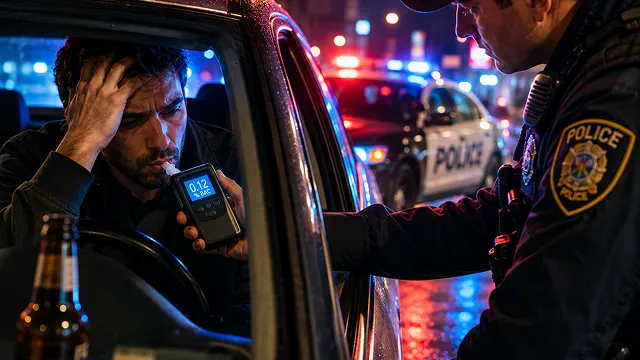
A DUI-D charge isn’t a regular alcohol DUI, and defending one the same way is a mistake.
Drug-impaired driving cases hinge on blood testing, officer observations, Drug Recognition Expert evaluations, and one complicated question: was the driver actually impaired behind the wheel? Because here’s what prosecutors often gloss over: finding a substance in your system doesn’t prove you were impaired by it.
Tisdell Law Firm defends clients charged with drug DUIs throughout Evergreen, Jefferson County, and the greater Denver area. We’ve defended marijuana and drug-related criminal cases since 2009, experience that reaches far beyond a standard DUI practice.
Led by Attorney Adam Tisdell, recognized by Super Lawyers for Cannabis Law for five consecutive years, our team understands the legal and scientific issues that typically determine the outcome of these cases.
If you’ve been arrested for driving under the influence of marijuana, prescription medication, or another controlled substance, the evidence deserves a careful look before anyone assumes the worst.
Call (806) 352-4844 or complete the form below to request a free consultation.
Most people think a DUID only happens after using an illegal drug. Colorado law is far broader. You can be charged after using marijuana, a prescription medication, an over-the-counter medication, or a combination, if law enforcement believes those substances affected your ability to drive safely.
The cases we see regularly involve:
Here’s the catch: every substance affects people differently. A medication that leaves one person impaired may have little effect on someone who’s taken it as prescribed for years. That’s exactly why these cases deserve a real investigation, not assumptions made on the side of the road.
This is where drug DUIs get tricky. Unlike alcohol cases, no universally accepted number automatically proves drug impairment. So prosecutors stack several pieces of evidence together and ask the jury to look at the “whole picture” rather than any single piece.
Here’s the evidence they typically lean on, and why each piece can be challenged.
An officer may testify about your driving, appearance, speech, or balance. But those observations are subjective, and dash-cam footage, body-cam recordings, and witness statements can contradict them.
These were designed to detect alcohol impairment. Yet they’re used in drug cases in Evergreen, Colorado, anyway, even though fatigue, medical conditions, anxiety, uneven pavement, and weather all affect performance. A bad result doesn’t prove drug impairment.
Many DUID cases in Evergreen involve a blood draw. But detecting a substance isn’t the same as proving impairment. Depending on the drug, traces can linger long after any effect is gone.
Reading those results right takes far more than glancing at a lab report.
Some cases include a DRE evaluation. These officers get specialized training, but their conclusions still rest on observations and procedures that can be questioned.
Whether protocols were followed and whether another explanation exists often become central to the defense.
Colorado legalized recreational marijuana years ago. But driving while impaired is still a crime, and that gap trips up a lot of drivers who assume legal use means they can’t be arrested.
Here’s why marijuana cases are different: THC doesn’t behave like alcohol. There’s no clean relationship between the amount in your blood and your actual level of impairment.
For some people, cannabis stays detectable long after any effect has worn off. That makes these cases far messier than most drivers realize.
Attorney Adam Tisdell has spent years defending marijuana-related criminal cases across Colorado. That experience gives Tisdell Law Firm insight into issues most general DUI practices rarely touch—lab testing, evolving cannabis laws, and the science of THC.
Our approach is simple. We examine the evidence, evaluate the blood testing, review the officer’s observations, and determine whether the prosecution can actually prove impairment—not just that marijuana was present.
GOT WEED? We built our reputation defending marijuana-related criminal cases, and that experience carries directly into DUID defense in Evergreen, Colorado.
Not every DUID in Evergreen involves recreational use.
Many of our clients come to us after taking medication exactly as their doctor prescribed. They never expected criminal charges—because they believed they were following the law.
The prescriptions commonly involved include opioid pain medication, anti-anxiety prescriptions, sleep medications, muscle relaxers, ADHD medication, seizure medication, and certain antidepressants. Even when legally prescribed, officers may claim these affected your driving.
Having a valid prescription does not automatically resolve your criminal case, nor does it prove that you were not impaired. Prosecutors still need to demonstrate that the medication actually impacted your ability to drive.
This point is crucial, especially since much of the evidence depends on personal observations rather than concrete proof.
Every case deserves an individualized defense. And drug DUI investigations often hide weaknesses that aren’t obvious at first—especially when officers lean on assumptions or incomplete evidence.
Depending on the facts, the defense may focus on:
The strongest defense rarely rests on a single issue. It comes from examining every stage of the investigation and finding where the prosecution’s evidence falls short.
Plenty of defense attorneys handle DUIs. Far fewer have spent years defending marijuana offenses and federal drug prosecutions. That experience becomes critical when cannabis, controlled substances, or prescription medication form the foundation of the state’s case.
Since 2009, Tisdell Law Firm has represented clients facing marijuana charges, federal drug crimes, and complex criminal cases throughout Colorado. Our Evergreen DUI lawyers understand how drug investigations are conducted, how lab evidence is presented, and where prosecutors stumble when trying to prove impairment.
That lets us evaluate Evergreen DUID cases from multiple angles—not as routine traffic offenses. Every case gets a strategy built around the evidence, the arrest, and the client’s long-term goals.
Choosing your Evergreen drug crimes attorney is one of the most important decisions you’ll make after a DUI-D arrest.
You need a team that knows Colorado criminal law, has real marijuana and drug-case experience, and knows how to dismantle complex evidence.
Clients choose Tisdell Law Firm because we offer:
Every case starts with understanding what actually happened during the investigation—and building a defense around the facts, not assumptions.
A DUID conviction can mean jail time, fines, driver’s license consequences, probation, mandatory treatment, and a permanent criminal record. And the decisions you make in the days after an arrest can shape the entire outcome.
If you’ve been charged with DUID in Evergreen, Jefferson County, or anywhere in the greater Denver area, talk to Tisdell Law Firm as soon as possible. We’ll review the evidence, explain your options, and build a defense strategy around the facts of your case and our years of experience handling marijuana and drug-related charges throughout Colorado.
Call (806) 352-4844 or fill out the form below to request a free consultation.