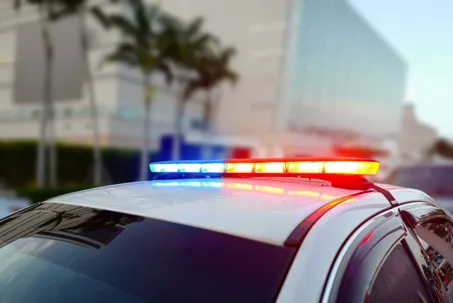

The Texas Highway Patrol is a vital component of the Texas Department of Public Safety (DPS), responsible for ensuring the safety and security of motorists on Texas highways. Texas Highway Patrol troopers—or “state troopers”—have statewide jurisdiction, meaning they are authorized to enforce laws and maintain order on all public roads and highways throughout Texas.
The Texas Highway Patrol is granted authority by Texas state and is empowered to perform the same law enforcement activities as local police, including conducting traffic stops. These traffic stops often lead to arrests, such as significant drug busts. This is especially true after Colorado, California, and other states legalized marijuana.
If you have been arrested by a state trooper, you want a skilled criminal defense attorney who understands the various procedures and can effectively protect your rights.
The highway patrol boundaries extend to:
DPS also has a Tactical Marine Unit (TMU) with multiple boats and over 40 commissioned officers to patrol the Rio Grande River and Intracoastal Waterway. The District Office for the DPS is located in Downtown Austin in the Texas Capitol.
The highway patrol authority plays a vital role in ensuring the safety and security of Texas’s extensive network of roadways. State troopers possess the same authority as local police officers, including the power to conduct traffic stops, issue citations, and make arrests. For individuals facing drug and DWI charges, understanding the significance of the Texas Highway Patrol’s role can be essential in building a strong defense.
State troopers conduct traffic stops and vehicle searches to detect illegal drugs and other contraband. They are trained to recognize signs of drug trafficking and take appropriate action to intercept these activities.
The Texas Highway Patrol employs K-9 units trained to detect narcotics. These dogs are used during traffic stops and searches to identify hidden drugs, playing a significant role in drug interdiction efforts.
The Texas Highway Patrol conducts sobriety checkpoints to detect and apprehend drivers under the influence of alcohol or drugs. These checkpoints are strategically placed to maximize their effectiveness in preventing impaired driving.
Officers are trained to administer standardized field sobriety tests to drivers suspected of being impaired. These tests help determine whether a driver is under the influence and justify further chemical testing.
The Texas Highway Patrol utilizes breathalyzers and blood tests to measure blood alcohol concentration (BAC) levels. Accurate administration and proper handling of these tests are essential for ensuring valid results.
Consult a DUI lawyer immediately if you are arrested on charges of impaired driving.
Texas Highway Patrol officers monitor speed limits on roads across the state. Using radar, LIDAR, and other speed detection methods, they ensure drivers comply with posted speed limits, reducing the risk of accidents.
Enforcing laws regarding seat belt use and child safety seats is a critical responsibility of the Texas Highway Patrol. This helps protect passengers and reduce fatalities and injuries in accidents.
Texas Highway Patrol officers are vigilant in identifying and stopping drivers engaging in distracted driving behaviors, such as texting or using a phone while driving, which can lead to serious accidents.
State troopers are often the first on the scene of traffic accidents. They provide immediate assistance, secure the accident site, and ensure the safety of all involved.
Officers conduct thorough investigations to determine the causes of accidents. This includes gathering evidence, interviewing witnesses, and compiling reports that can be used in legal proceedings.
Managing traffic around accident scenes is essential to prevent further incidents. Texas Highway Patrol officers coordinate with other agencies to reroute traffic and clear the roadway as quickly and safely as possible.
The Texas Highway Patrol collaborates extensively with various federal, local, and state agencies to enhance law enforcement efforts and ensure comprehensive public safety across the state. This collaborative approach significantly impacts regular travelers who may be carrying drugs or driving under the influence, particularly in terms of enforcement and legal consequences.
The Texas Highway Patrol works closely with city police departments throughout Texas to coordinate traffic enforcement efforts and respond to incidents on local roadways. County sheriff’s offices and the Texas Highway Patrol often collaborate in rural areas to provide mutual aid and support, such as forensic mapping in unincorporated areas. This partnership ensures effective coverage of law enforcement services across all regions of the state, including remote and less-populated areas.
The Texas Highway Patrol is a division of the Texas DPS and collaborates closely with other divisions within the department. This includes sharing resources, coordinating operations, and leveraging specialized units, such as the Texas Rangers, for complex investigations and major incidents. For enforcement activities related to state roads, state parks, wildlife preserves, and natural resources, the Texas Highway Patrol collaborates with the Texas Parks and Wildlife Department.
State troopers often work with the FBI on joint investigations involving interstate crimes, terrorist threats, and other federal offenses. In combating drug trafficking and illegal drug activities, the Texas Highway Patrol collaborates with the DEA. This partnership includes intelligence sharing, joint operations, and coordinated efforts to interdict narcotics trafficking on Texas highways.
Texas Highway Patrol officers have jurisdiction over state highways and interstates. They can legally conduct traffic stops within these areas based on observed violations or reasonable suspicion of criminal activity, such as erratic driving behavior.
Upon conducting a lawful traffic stop, Texas Highway Patrol officers have the authority to conduct searches of vehicles under certain circumstances, such as when there is probable cause to suspect the presence of illegal drugs or other contraband. The legality of these searches can impact the admissibility of evidence in subsequent criminal proceedings.
Texas Highway Patrol officers enforce DWI laws by conducting sobriety checkpoints and initiating stops if they suspect a driver is impaired. Jurisdiction determines where these checkpoints can legally be set up and the scope of enforcement actions permissible under state law.
They are also authorized to administer breathalyzer or blood tests to determine a driver’s blood alcohol concentration (BAC) levels. Jurisdictional boundaries dictate the validity of these tests and procedures, which are essential in DWI cases.
Defense attorneys may challenge the jurisdictional authority of the Texas Highway Patrol officers if they believe that a traffic stop, search, or arrest occurred outside of lawful boundaries. This challenge can arise if officers exceed their jurisdictional authority or lack proper justification for their actions.
Successful jurisdictional challenges can lead to the suppression of evidence obtained unlawfully. This suppression may weaken the prosecution’s case or result in the dismissal of charges if critical evidence is excluded.
Defendants are protected against unreasonable searches and seizures under the Fourth Amendment of the U.S. Constitution. Defense attorneys scrutinize whether the state troopers had probable cause or a valid warrant to conduct searches or seizures during traffic stops. If evidence was obtained through an illegal search or seizure (e.g., without probable cause or outside the scope of a valid warrant), your defense attorney can file motions to suppress this evidence. Successful suppression can undermine the prosecution’s case.
Texas Highway Patrol officers are required to read Miranda warnings to suspects in custody before conducting interrogations. Failure to provide these warnings or coercive tactics during questioning can lead to Miranda rights violations. Statements or confessions obtained in violation of Miranda rights may be excluded from evidence. Your criminal defense lawyers will carefully review the circumstances of custodial interrogations to identify any violations and seek to suppress incriminating statements.
Allegations of police misconduct, such as racial profiling, excessive force, or selective enforcement, can undermine the credibility of law enforcement actions. Experienced defense attorneys will investigate instances of alleged misconduct to challenge the reliability of evidence or testimony presented by Texas Highway Patrol officers. This can cast doubt on the prosecution’s case against you and raise questions about the fairness of law enforcement practices.
Your lawyer will scrutinize the chain of custody for evidence seized by the state troopers. They will ensure that proper procedures are followed to preserve the integrity of evidence from the time of seizure to its presentation in court. Any discrepancies or lapses in the chain of custody can be used to challenge the authenticity or admissibility of evidence against the defendant.
Defense attorneys may employ expert witnesses to challenge the validity or interpretation of forensic evidence presented by the prosecution, such as blood alcohol tests in DWI cases or drug analysis results. Criminal defense lawyers can cross-examine Texas Highway Patrol officers and other witnesses to challenge their credibility, accuracy of observations at crime scenes, or consistency in testimonies.
The Texas Highway Patrol primarily has jurisdiction over Texas state highways, interstate highways, and other designated roadways across the state.
No, Texas Highway Patrol officers are authorized to enforce laws and conduct traffic stops only within their designated jurisdictional boundaries.
Yes, Texas Highway Patrol jurisdiction typically covers state-owned highways and interstates, whereas local police departments have authority within city or municipal limits. However, city officials and the state government may position a DPS trooper where required.
Texas Highway Patrol jurisdiction influences where officers can enforce traffic laws, conduct sobriety checkpoints, and perform vehicle inspections on state-maintained roadways.
If state troopers approach you, politely inquire about the reason for the stop and clarify any concerns about jurisdiction, such as customs enforcement. If unsure, remain cooperative and obtain legal education and advice.
Jurisdictional boundaries are not always physically marked as observed in recent events of criminal arrests made for drug crimes. However, they generally include all state-maintained roads and highways throughout Texas.
At Tisdell Law Firm, we bring over 20 years of combined experience to every case, focusing particularly on drug offenses, DWI blood testing, and trial practice.
Whether advocating for reduced charges, alternative sentencing, or dismissal of charges altogether, we will fight to obtain the best outcome on your behalf. Contact Tisdell Law Firm today to schedule a free consultation and discover how our experienced team can effectively advocate for you in any situation involving the Highway Patrol. Call (806) 352-4844 or fill out this online contact form.