

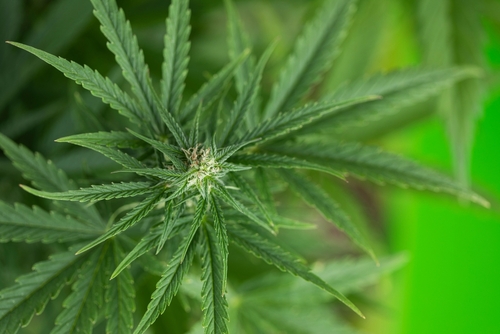
Colorado allows adults to grow marijuana at home, but legalization does not mean unlimited cultivation.
In general, an adult age 21 or older may grow up to six marijuana plants, with no more than three mature, flowering plants at one time. Residential properties are generally subject to a separate 12-plant limit, regardless of how many adults live there, unless a specific medical-marijuana exception or local rule applies.
Going over those limits can turn a lawful home grow into a criminal investigation. Depending on the number of plants and the circumstances, a person may face a petty offense, misdemeanor, or felony allegation.
At Tisdell Law Firm, marijuana and drug defense are an important part of our practice. If police searched your property, seized plants, or accused you of running an illegal grow, our team can review the plant count, the claimed exception, and how law enforcement obtained the evidence.
Learn more about our Colorado drug crime defense practice or call (806) 352-4844.
Colorado generally allows an adult age 21 or older to grow up to six marijuana plants for personal use, with no more than three mature, flowering plants at one time.
That means six total plants does not necessarily mean six flowering plants. A grow with three mature plants and three immature plants may fit within the ordinary individual limit, while six mature flowering plants may not.
The plants must also satisfy applicable requirements concerning where and how they are grown. Colorado law generally requires protected home cultivation to occur in an enclosed, locked space and outside public view or access.
Multiple adults in the same household do not automatically get six plants each without limit.
Colorado generally prohibits growing more than 12 marijuana plants on a residential property, even if more than two adults live there. Certain medical-marijuana situations and local authorizations may create exceptions.
So, in a typical recreational grow:
This residential cap is one of the easiest Colorado cultivation rules to misunderstand.
Local law can matter too. Cities and counties may impose additional zoning, nuisance, building, or cultivation restrictions.
The consequences depend on which law prosecutors believe was violated.
Colorado law separately addresses unauthorized cultivation and exceeding residential plant limits. Those provisions can overlap, which is why plant count alone does not tell you the final charge.
Current Colorado classifications generally treat unauthorized cultivation involving:
That does not mean everyone found with seven plants automatically faces a felony conviction. The defense may involve whether the grow was otherwise constitutionally protected, whether medical authorization applied, whether each item legally counted as a plant, and who actually controlled the cultivation area.
Colorado has a separate residential-plant-limit offense.
A first violation involving more than 12 plants on residential property can be charged as a level 1 drug petty offense carrying a fine of up to $1,000. Repeat violations can become more serious and, depending on plant count, may rise to misdemeanor or felony exposure.
The residential-limit charge also does not necessarily prevent prosecutors from considering other cultivation or distribution allegations when the facts support them.
That makes the details important: how many plants were actually present, whose plants they were, why they were being grown, and whether an exception applied.
Medical marijuana can affect lawful plant limits, but medical status does not create an unlimited right to cultivate.
Some qualifying patients and caregivers may be permitted to grow more than the ordinary recreational amount when statutory and local requirements are satisfied. However, Colorado still generally regulates the number of plants that can be grown on residential property.
If police discover a larger grow, relevant evidence may include medical-marijuana registration, caregiver status, local authorization, patient documentation, and who actually owned or controlled each part of the grow.
Simply telling police that the plants are “medical” does not automatically resolve the legal issue.
Growing marijuana for lawful personal use is different from growing it for sale.
Colorado’s home-grow protections do not authorize someone to sell marijuana simply because the plants were legally cultivated.
In larger grow cases, prosecutors may look for evidence they believe suggests possession with intent to distribute or unlawful distribution. That might include quantity, communications, financial records, packaging materials, statements, or other circumstances.
A large number of plants may draw attention, but plant count alone does not relieve prosecutors of the obligation to prove the elements of a distribution offense.
Our team handles cases involving cultivation, possession, distribution, and federal drug crimes.
Even the plant count itself may be disputed.
Colorado law includes a specific definition of a marijuana plant for cultivation-related offenses. Generally, that definition can include a cannabis plant growing in a cultivating medium that exceeds certain size measurements, as well as flowering plants regardless of size.
That can matter when officers count seedlings, clones, or partially developed plants.
A police report stating that officers found a particular number of “plants” does not necessarily end the analysis. Our attorneys can review photographs, inventories, body-camera footage, and other evidence to determine whether the government’s count matches the statutory definition.
Many marijuana cultivation cases begin with a search of a home, garage, outbuilding, or grow area.
When our firm reviews one of these cases, we may examine:
If a search violated constitutional protections, defense counsel may have grounds to challenge the admissibility of the evidence.
Do not destroy plants, conceal evidence, or interfere with an investigation. You can exercise your right to remain silent and ask for an attorney without obstructing law enforcement.
Our broader criminal defense services include reviewing warrants, searches, statements, and other evidence used in Colorado prosecutions.
Colorado’s home-growing protections come from Colorado law.
Federal law remains separate. That can matter if cultivation occurs on federal property, becomes part of an interstate investigation, or leads to federal drug allegations.
As we explain in our guide to Colorado marijuana and federal law, conduct permitted under Colorado law is not automatically protected under federal law.
A federal investigation should therefore be evaluated separately from an ordinary Colorado cultivation case.
Do not assume that the plant count in the police report is correct or that the charge is automatic.
Preserve documents that may matter, including:
You also have the right to remain silent and consult counsel before giving detailed statements about who owned the plants, why they were being grown, or what was intended after harvest.
Colorado allows home marijuana cultivation, but the protections have limits.
An extra plant, a grow exceeding the residential cap, a disputed medical exception, an allegation of distribution, or an unlawful search can significantly change a case.
At Tisdell Law Firm, we look beyond the number written in a police report. Our team examines the legal plant limit, who actually controlled the plants, whether an exception applies, how officers counted them, how the evidence was obtained, and whether prosecutors can prove the specific charge.
View our Tisdell Law locations or contact our team about a Colorado marijuana cultivation investigation.
Call (806) 352-4844 for a consultation.
An adult age 21 or older may generally grow up to six plants, with no more than three mature, flowering plants at one time.
Generally, yes, if both are legally eligible and all other requirements are satisfied.
The ordinary residential cap is 12 plants.
Three adults do not ordinarily receive an automatic 18-plant recreational limit. The general residential cap remains 12 plants unless a valid exception applies.
Not automatically.
Colorado law can classify unauthorized cultivation of more than six plants as felony conduct, but the analysis depends on whether the plants were otherwise lawfully authorized, how they were counted, and which statute prosecutors use.
Colorado’s personal home-grow protections do not authorize the sale of home-grown marijuana. Selling or possessing marijuana with intent to distribute can create separate criminal allegations.


